
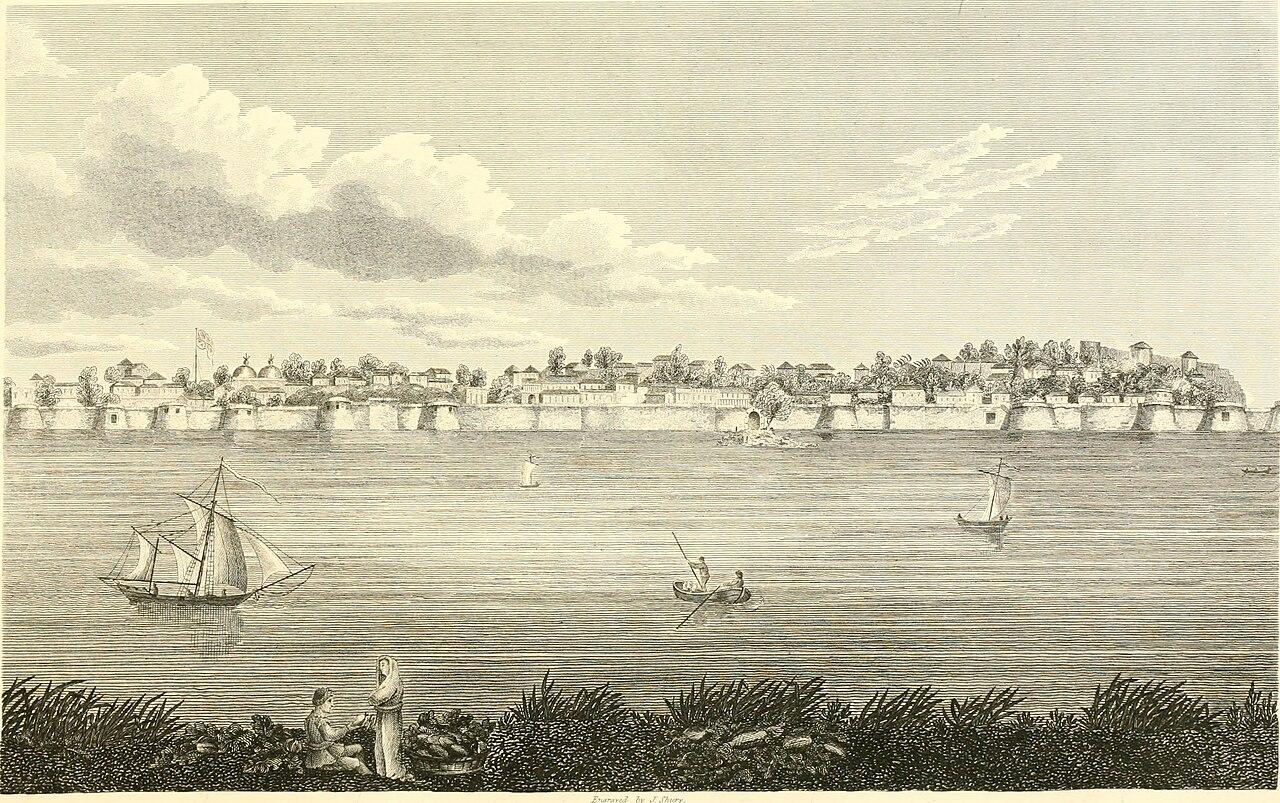
In the heart of Gujarat lies the historic town of Khambhat, traditionally known as Cambay. For centuries, Khambhat has been closely associated with the art of working with Akik (Agate) and other semi-precious stones.
The town's agate craftsmanship is more than a traditional trade. It is a living heritage passed from one generation to another, connecting ancient bead-making traditions with the beautiful gemstone products created by artisans today.
According to the Government of India's handicrafts documentation, Khambhat has been a centre of agate craftsmanship for more than 4,000 years, with its roots associated with the Harappan period. Archaeological evidence from Gujarat, including the ancient site of Lothal, demonstrates the long history of bead and gemstone craftsmanship in the region.
🏺 The Ancient Roots of Khambhat Agate
The story of Khambhat Akik begins thousands of years ago. Agate and other semi-precious stones were valued by ancient communities for making beads, ornaments and decorative objects.
Gujarat was an important region of the ancient Indus Valley or Harappan civilization, and archaeological discoveries from sites such as Lothal show the sophisticated bead-making traditions that existed in the region.
Over time, the knowledge of selecting, heating, cutting, shaping and polishing stones developed into specialized craftsmanship. This tradition eventually became strongly associated with Khambhat, where generations of artisans continued to work with agate.
🌍 Khambhat and the Ancient Agate Trade
Khambhat's importance was not limited to local markets. Its location on the Gulf of Khambhat helped connect Gujarat with wider trading networks. Historical accounts describe the trade of agate and other stones from the region with markets across Arabia and Africa.
Gujarat's agates became valued for their natural colours, patterns and ability to be shaped into beads and decorative objects. The craftsmanship developed in Khambhat helped transform naturally occurring stones into finished articles suitable for jewellery, ornaments and everyday use.
Historical references also connect Gujarat's agates with the wider Mediterranean and Middle Eastern world. The long-distance trade of these stones demonstrates how gemstone craftsmanship in Gujarat became part of international commerce centuries ago.
🕌 Baba Ghor and the Development of Khambhat's Agate Trade
One of the important figures associated with the later history of Khambhat's agate industry is Baba Ghor, an Ethiopian-born Sufi figure traditionally associated with the spread and development of the agate trade in the Khambhat region.
Local traditions and historical accounts credit Baba Ghor and communities associated with him with contributing to the growth of the commercial gemstone industry around Khambhat.
His association with the agate trade is an important part of Khambhat's cultural history, reflecting the way migration, trade and craftsmanship came together to shape the town's identity.
🔥 From Raw Akik Stone to a Finished Gemstone
One of the most fascinating aspects of Khambhat's heritage is the traditional process used to transform rough stones into beautiful finished products.
1. Sourcing the Raw Stone
Raw agate is collected from geological sources in western India. Government handicraft documentation notes that agate used by Khambhat artisans has been sourced from areas including Gujarat, Maharashtra and Rajasthan.
2. Sorting and Selection
The rough stones are carefully examined and sorted according to their colour, quality, structure and natural patterns. Each piece of agate is different, which makes the selection process an important part of the craft.
3. Heating and Firing
Traditionally, agate stones were sun-dried and heated before further processing. This stage helped prepare the stone for cutting and shaping and became an important part of the traditional Khambhat method.
4. Cutting and Shaping
Artisans then cut and shape the heated stones into pieces suitable for beads, jewellery, decorative objects and other products. Traditional tools and techniques have been combined with modern equipment over time.
5. Grinding and Smoothing
The rough pieces are gradually ground and smoothed to achieve the desired shape. Skilled artisans must work carefully because agate is a hard stone and its natural structure can vary from one piece to another.
6. Polishing
Finally, the stone is polished to reveal its natural colour, patterns and characteristic shine. This final stage brings out the beauty hidden inside the rough Akik stone.
💎 The Many Forms of Khambhat Akik
Khambhat's agate craftsmanship has produced a remarkable variety of gemstone products. Traditional products include beads, necklaces, bangles, rosaries, pendants, rings, bracelets and other jewellery.
Artisans have also created decorative and functional objects such as bowls, vases, paperweights, buttons, lampshades and other handcrafted articles.
Today, the craft has expanded into contemporary gemstone décor and spiritual-inspired products, including agate gemstone trees, gemstone pyramids, chakra products and decorative stone pieces.
🎨 Natural Colours and Patterns of Agate
One of the reasons Akik is so fascinating is the enormous variety found within the stone itself. Agate can display bands, layers, patterns and colours ranging from earthy browns and reds to yellow, white, grey, black and other natural shades.
Traditional Khambhat agate products have included varieties and colour patterns known by names such as Blood, White King, Khyaldar Grey, Yellow, Navrang, Moss, Red Jasper, Fancy and Black Agate.
Every piece carries its own natural pattern, which means that no two finished gemstones are exactly alike.
🏛️ Agates of Cambay – A Recognized GI Craft
The heritage of Khambhat's agate craftsmanship received formal recognition through India's Geographical Indication (GI) system. Agates of Cambay was registered as a GI handicraft in 2008, with GI Certificate No. 80. The registration identifies Gujarat as the geographical area associated with the craft.
GI recognition is significant because it formally connects the name Agates of Cambay with the traditional craftsmanship and geographical heritage of the region.
🌏 From Traditional Beads to the Modern Global Market
Khambhat's agate industry has continued to evolve with changing markets. Traditional products such as beads and rosaries remain part of the craft, while artisans and businesses have developed new products for contemporary customers.
Modern Khambhat agate products can be found in jewellery, home décor, gifting, decorative art and gemstone collections. Products such as agate trees, pyramids, polished slices, coasters and ornamental pieces bring an ancient material into modern interiors.
This ability to adapt has helped keep the traditional craft relevant while preserving the skills and techniques that make Khambhat Akik distinctive.
🌿 Khambhat Akik: Where Nature Meets Human Craftsmanship
The beauty of Khambhat Akik lies in the relationship between the natural stone and the artisan's skill. Nature creates the colours, bands and patterns inside the agate; generations of craftsmanship reveal those characteristics through cutting, shaping and polishing.
What begins as an ordinary-looking rough stone can eventually become a delicate bead, a piece of jewellery, a decorative object or a handcrafted gemstone tree.
❤️ Preserving a Heritage
Khambhat's agate tradition is not simply a story from the past. It remains a living craft practiced by artisans today.
The continued production of Agates of Cambay demonstrates how traditional knowledge can survive while adapting to new designs, markets and customer preferences. Government initiatives have also continued to support and promote agate craftsmanship in the Khambhat region.
At Miza Agate, we celebrate this remarkable heritage by bringing the natural beauty of Akik and the craftsmanship of Khambhat to customers who appreciate authentic gemstone art and handcrafted décor.
✨ The Legacy of Khambhat Akik Lives On
From ancient bead-making traditions to contemporary gemstone décor, Khambhat's relationship with Akik has endured for thousands of years. Its history reflects the meeting of geology, craftsmanship, culture and international trade.
Every polished agate carries more than colour and pattern. It represents a natural stone shaped by the earth and refined by generations of human skill. That is what makes Khambhat Akik a meaningful part of Gujarat's craft heritage.
Discover the beauty of Khambhat Agate with Miza Agate.